Scars

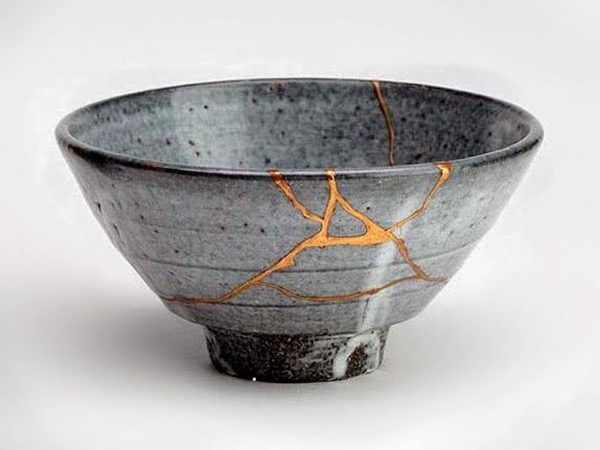
Scars. We all have at least one, whether visible or not. We get them from a variety of ways from accidents to surgeries and they can be evidences of epic stories or humbling shame.
Last week at camp one of our students was running full speed while playing a camp-wide game and tripped scuffing both knees and both hands on a rough sidewalk. She came back limping, crying, and bleeding. A quick call to the medic resulted in equally fast treatment of the wounds, drying of tears, and lots of encouraging words from friends, counselors, and me.
My job was, after getting her the help she needed, was to lighten the mood. Holding her hand through the pain (from the injury AND the alcohol wipes) we talked about how it happened and what story she was going to take home. We discussed the scar that may be left could be a vivid reminder not of the tumble and pain, but the excitement and joy of camp.
Scars often tell a story...or can if we let them. And here's the thing, we get to write that story, nobody else! It's also in our power to decide how that story will continue to affect us.
I have a few scars, only a couple of them visible: on the back of my head where I fell off a porch and required a few stitches when I was about 6, on both knees from crashing my bicycle attempting to land off the rickety ramp we made, on my finger while using a cutting wheel in Guatemala, and on my let from a hip replacement a few years ago. There are others, too, from friends who turned their backs on me when I was moved to a new church, to others who seemed friendly, but who took advantage of me, started rumors, spoke untruths, were unjustly critical, etc. The list could go on, but they all left...
...scars.
The thing about scars is that they reveal healing. The body has a way of replenishing the skin often making that weak spot stronger than before. The soul does the same thing. Scars are evidences of moving on, often with a different outlook, and more wisdom.
Kintsugi is the ancient Japanese practice of repairing a broken vessel, but not just gluing it back to gether. Rather, the process itself is intended to honor the history, not of the brokenness, but of the vessel itself. Careful attention is given to every joint with a tree sap lacquer so that everything fits together perfectly. The joints are then rubbed smooth and coated with a fine dust of a precious metal like gold, silver, or even platinum, then polished to a brilliant sheen. Sometimes even the intricate detail is repainted over the gilded parts so the pattern remains. The result is a beautiful and usable vessel that cannot help but display it's story proudly.
"We know that God works all things together for good for the ones who love God, for those who are called according to his purpose." Romans 8:28, CEB.
This is how God works on us, too. Every scar, inside and out, worked together to make an even more beautiful life with stories that encourage us, and others. Yes, your scars make you even more beautiful not just because you survived, but by the grace of Christ to tell a better story; a personal kintsugi story of your own (without the gold), but equally beautiful!
Peace ><>
Pastor Chris

-
Covenant UMC